

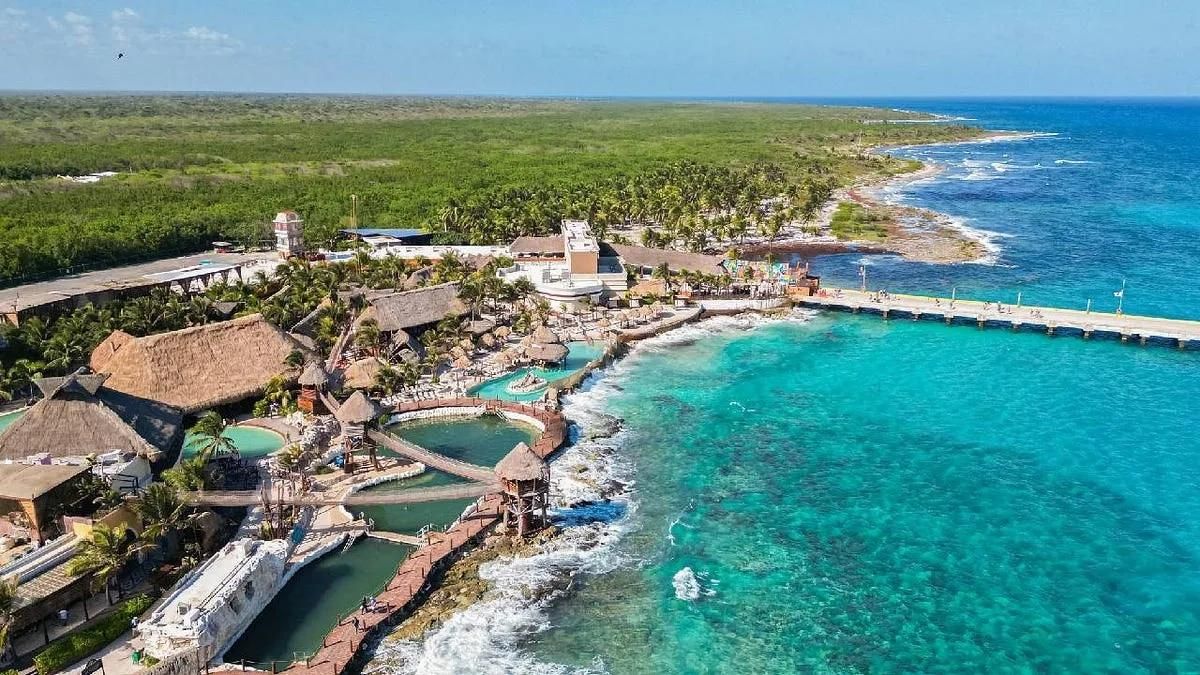
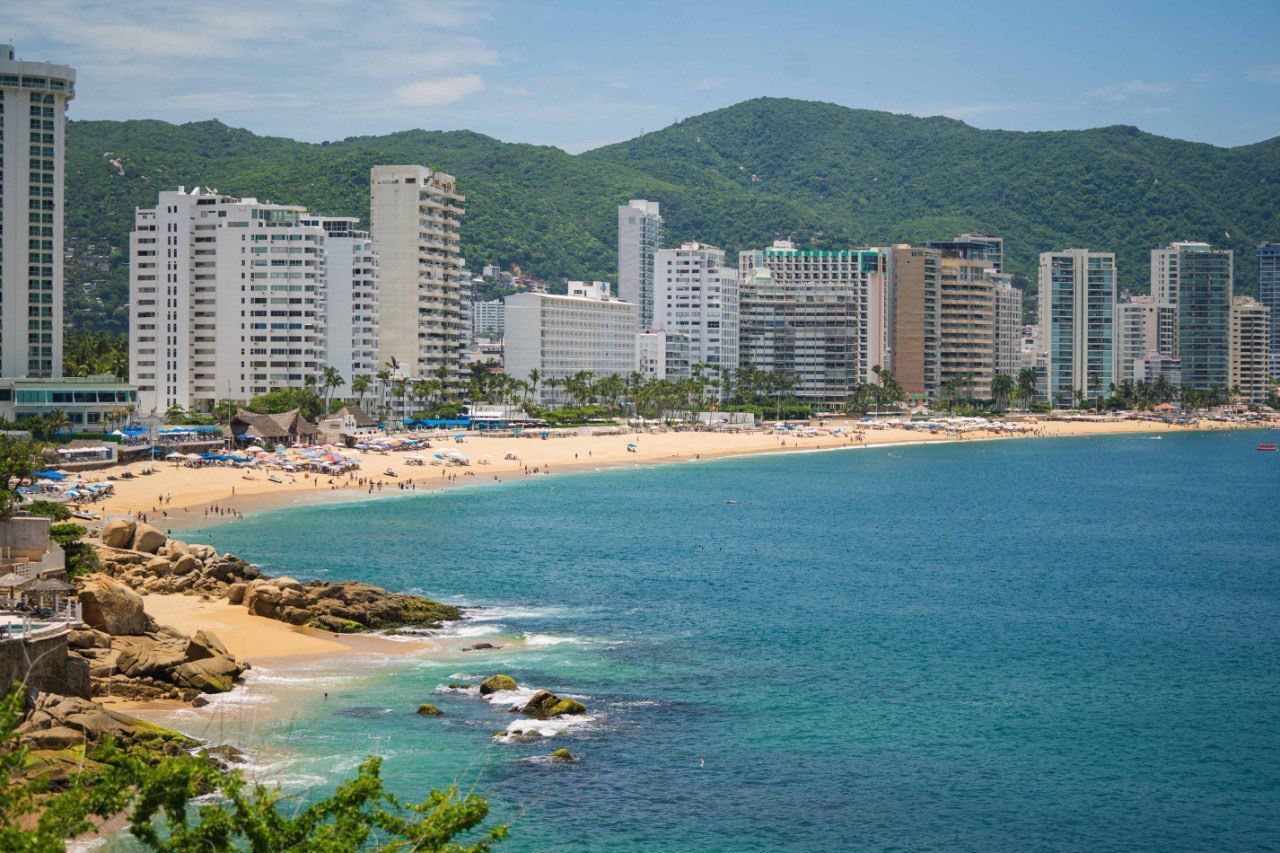
In the far south of Mexico’s Caribbean coast, where dense mangroves dissolve into coastal wetlands and coral reefs stretch beneath turquoise waters, lies Mahahual — a small fishing and tourism town in the state of Quintana Roo that suddenly found itself at the center of one of the country’s most significant environmental battles in recent years.
To outsiders, Mahahual may appear insignificant: a quiet coastal settlement of barely 2,600 residents facing the Caribbean Sea. But ecologically, the region represents one of the most fragile and biologically important territories in the Western Caribbean. Just offshore lies Banco Chinchorro, part of the Mesoamerican Reef System and the second-largest coral barrier reef on Earth.
This ecosystem functions as a natural nursery for hundreds of marine species and as a critical hydrological regulator for the Yucatán Peninsula. Scientists and environmental organizations warned that introducing massive tourism infrastructure into such a delicate environment risked permanently disrupting the ecological balance of the region, threatening protected coral systems, mangrove forests, wetlands and freshwater reserves already under increasing pressure from climate change and coastal development.
That concern became urgent when Royal Caribbean announced plans for Perfect Day Mexico, a massive private tourism complex projected to transform Mahahual into a high-capacity cruise destination modeled after the company’s resort enclaves elsewhere in the Caribbean.
What was presented publicly as an engine of economic growth quickly evolved into a symbol of the growing tension between mass tourism and environmental survival in Mexico’s Caribbean coast.
The Arrival of Perfect Day
Between 2024 and 2025, Royal Caribbean formally advanced plans for the construction of Perfect Day Mexico near the Costa Maya cruise terminal. Initial investment estimates ranged from 260 million to nearly 1 billion dollars, with the company promoting the project as a generator of jobs, tourism revenue and regional development.
Official plans described a large-scale transformation of between 90 and 107 hectares of coastal territory. The proposed complex included more than 30 high-speed water slides, massive swimming pools, artificial beaches, restaurants, bars and entertainment infrastructure designed to receive up to 21,000 visitors per day by its projected opening in 2027.
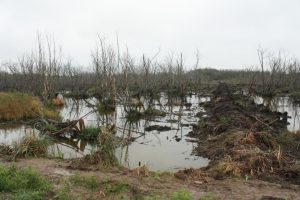
For many environmental observers, however, the numbers themselves revealed the problem.
Mahahual already faced longstanding deficiencies in sewage systems, wastewater treatment and electrical infrastructure. Injecting thousands of daily visitors into a fragile ecosystem and a small coastal community raised immediate concerns over water contamination, mangrove destruction and irreversible pressure on local biodiversity.
Documents later incorporated into legal injunctions suggested that municipal authorities accelerated modifications to local urban development regulations without completing the public consultation processes required by law. At the state level, Quintana Roo governor Mara Lezama reportedly presented the tourism investment directly to federal authorities in 2025, defending the project as a strategic opportunity for regional economic growth.
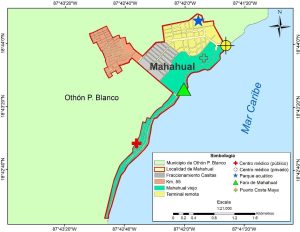
Meanwhile, federal environmental agencies received the Environmental Impact Assessment while allowing the company to continue promotional activities and preliminary interventions in the area before a final approval had been officially granted.
When Resistance Became International
Public opposition initially emerged at the local level.
By late 2025, after the first reports of vegetation clearing began circulating, environmental organizations and citizen groups filed legal injunctions before federal courts, arguing that the project threatened protected ecosystems and violated environmental review procedures.
Judges temporarily suspended sections of the terrestrial works while activists intensified campaigns both online and offline. Petitions launched through platforms such as Change.org and Avaaz gathered millions of signatures, transforming what had begun as a regional environmental dispute into an internationally visible conflict.
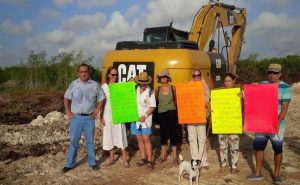
Soon, local resistance movements connected with global environmental networks.
Greenpeace launched its international campaign “Mexico al grito de ¡Selva!” (“Mexico: Let the Jungle Roar”), warning that the project endangered mangrove systems and more than 300 local species. Large-scale demonstrations, public installations and international environmental monitoring groups amplified scrutiny over Royal Caribbean’s sustainability commitments throughout the Caribbean basin.
The debate rapidly evolved beyond tourism.
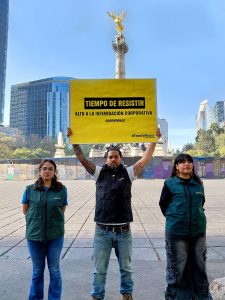
It became a broader discussion about ecological limits, water stress, privatization of coastal territories and the long-term consequences of converting fragile ecosystems into entertainment infrastructure.
By May 2026, public pressure reached its highest point as demonstrations intensified and environmental organizations formally delivered extensive petition records to federal authorities.
A Government Response Under Pressure
For much of the controversy, the Mexican federal government maintained a cautious and largely bureaucratic position.
Environmental authorities carried out inspections after documenting illegal impacts on roughly 17,000 square meters of coastal ecosystem linked to preliminary access works near Mahahual. Yet the definitive resolution regarding the project’s Environmental Impact Assessment remained delayed while federal courts debated and temporarily overturned earlier injunctions, briefly allowing clearing activities to resume.

The federal government’s tone shifted only after widespread public outrage followed the judicial reversals.
On May 18, 2026, President Claudia Sheinbaum publicly addressed the issue for the second time in a single week, stating that no project should move forward if it endangered the ecological balance of the reef system.
One day later, Environment Secretary Alicia Bárcena officially confirmed that federal authorities would not authorize the Perfect Day Mexico megaproject in Mahahual.
Royal Caribbean responded with a carefully worded institutional statement, describing Mahahual as “a special place that deserves care and protection” while reaffirming its interest in future investment opportunities in Mexico.
The Real Architects of the Outcome

The cancellation of Perfect Day Mexico did not emerge from preventive environmental planning or proactive state protection.
The official record instead reveals a process shaped by sustained public pressure, legal action and coordinated environmental activism that forced authorities to intervene at the edge of the legal timeline.
In the end, Mahahual’s mangroves and coral systems were not preserved because institutions acted early enough to protect them.
They survived because organized citizens, activists, scientists and environmental defenders refused to stop fighting for them.
Descubre más desde EKTUNKUL
Suscríbete y recibe las últimas entradas en tu correo electrónico.





Deja una respuesta