

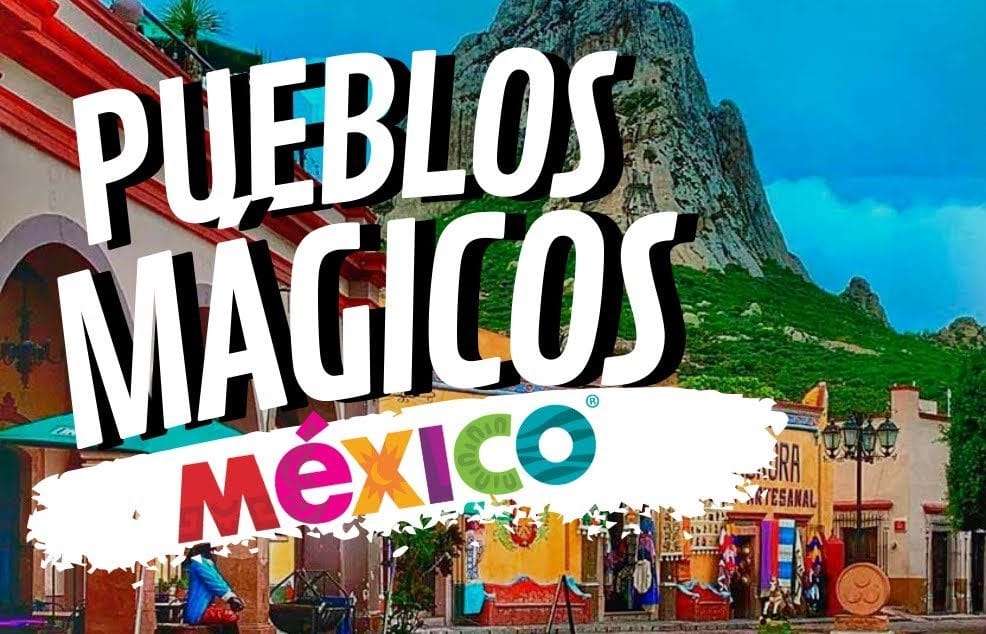
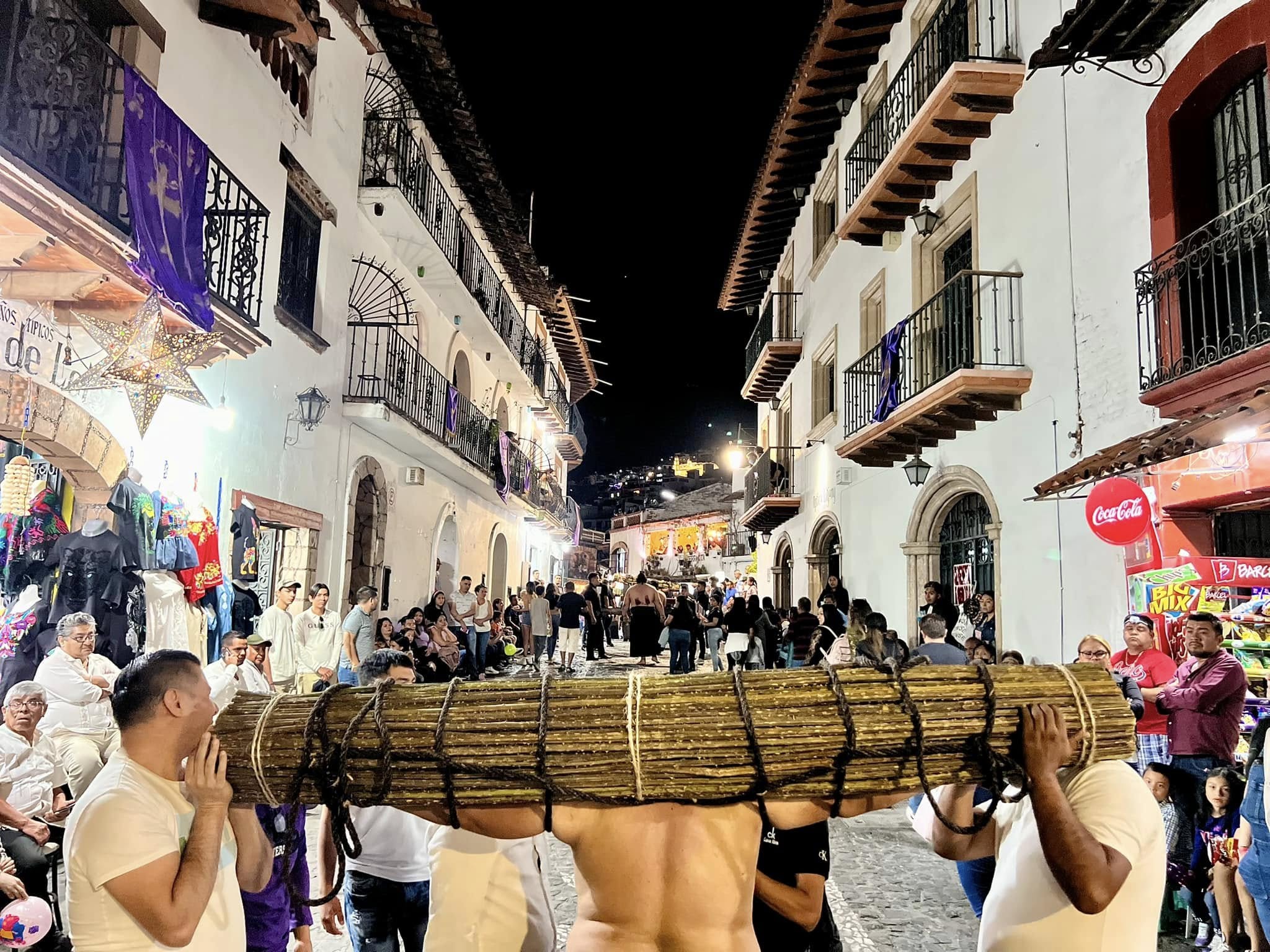
Mexico cannot be understood solely through its massive cities or world-famous beaches; its true soul often resides in smaller towns, where time seems to stand still and national identity reveals itself with moving authenticity. The “Pueblos Mágicos” (“Magical Towns”) are communities officially recognized by Mexico’s Ministry of Tourism (SECTUR) for preserving an exceptional cultural, historical, and architectural legacy. They are not merely points on a map, but guardians of legends, stages of pivotal moments in the nation’s history, and homes to traditions that refuse to vanish in the face of modernity.
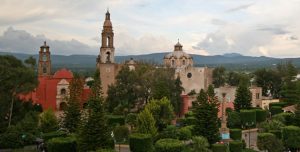
This ambitious program was born in 2001, during a crucial moment when Mexico sought to diversify its tourism industry beyond the “sun and beach” model that dominated destinations like Cancún and Acapulco. The first town to receive the distinction was Huasca de Ocampo, in the state of Hidalgo, marking the beginning of a new era for domestic tourism. The idea was clear: to recognize the value of places that, despite urban pressure, had managed to preserve their symbolic character and authenticity.
The purpose of the Pueblos Mágicos initiative is both cultural and economic. On one hand, it seeks to protect and celebrate Mexico’s tangible and intangible heritage — from pre-Hispanic gastronomy to colonial architecture — preventing these treasures from fading into obscurity. On the other hand, it functions as a powerful tourism brand that injects new resources into local economies which, in many cases, once depended on limited primary industries. Upon receiving the designation, a town gains access to federal resources for urban improvement and promotion, attracting travelers in search of deeper, less standardized experiences.
However, becoming a Pueblo Mágico is neither permanent nor easy to achieve. Aspiring towns must demonstrate that they possess unique attractions, basic infrastructure capable of welcoming visitors, and above all, a community committed to preserving its surroundings. Over more than two decades, the list has grown to include more than 170 towns, ranging from the colorful streets of San Cristóbal de las Casas in Chiapas to the vineyards of Parras de la Fuente in Coahuila, weaving together a network that invites travelers to explore Mexico through secondary roads filled with unexpected discoveries.
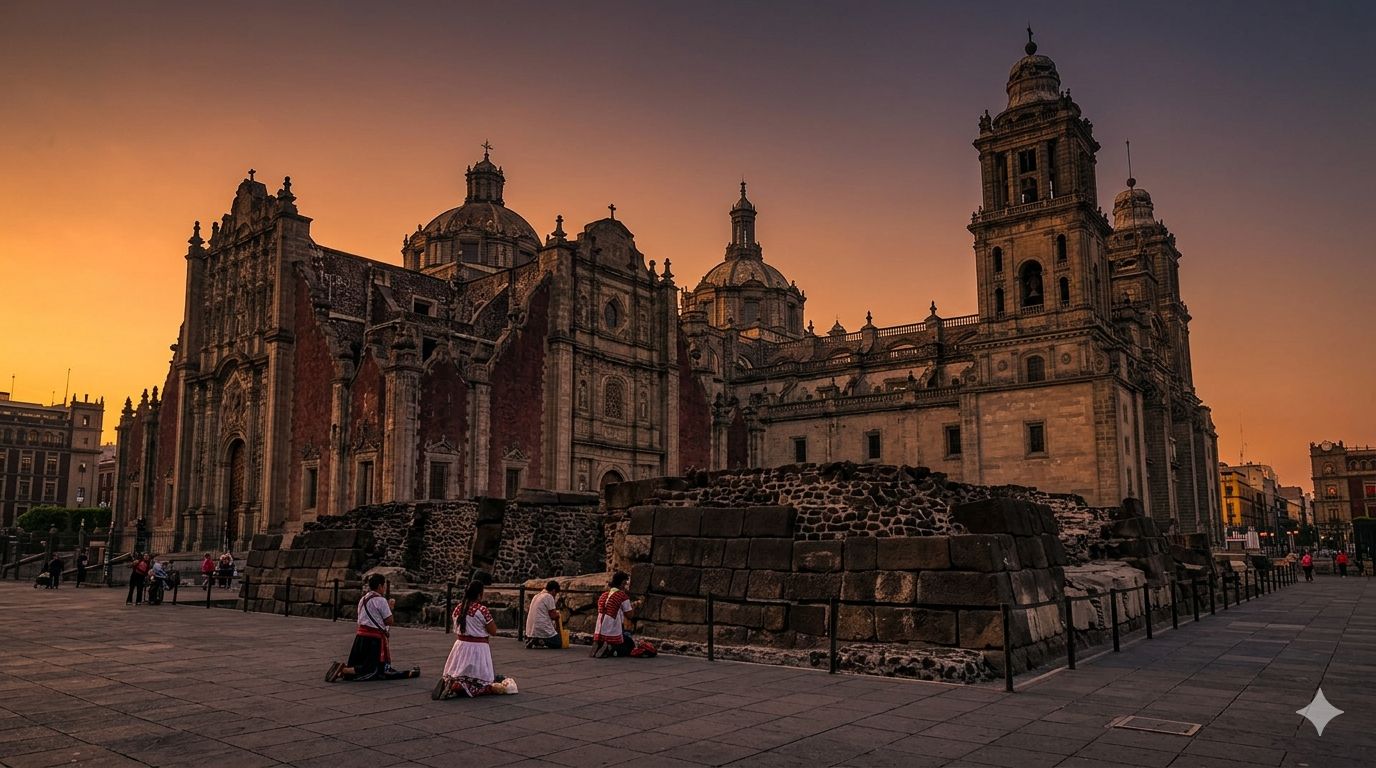
Ultimately, visiting a Pueblo Mágico means accepting an invitation to discover the “deep Mexico.” It means understanding that magic is not an illusion, but the manifestation of everyday life itself: the smell of freshly baked bread drifting through a town square, the façade of an 18th-century church glowing at sunset, or the legend an elder shares with their grandchildren. These towns are the beating heart of a country that understands its tourism future depends, paradoxically, on knowing how to honor and look back at its past.
Descubre más desde EKTUNKUL
Suscríbete y recibe las últimas entradas en tu correo electrónico.








Deja una respuesta