

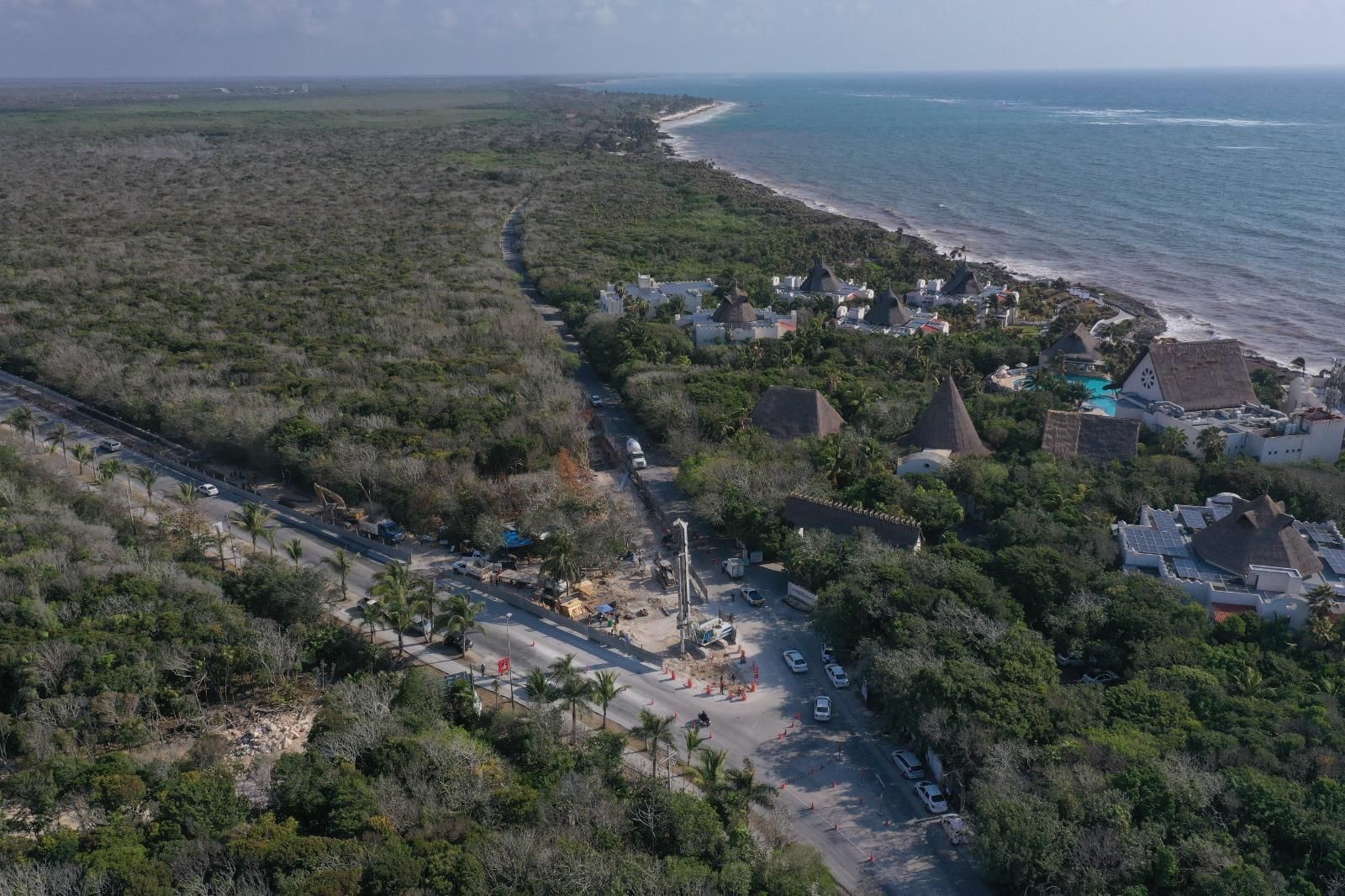
The Riviera Maya represents perhaps the most extreme example of territorial transformation linked to tourism. Before large-scale tourism development, much of the region was made up of jungle, small towns, and scattered communities. Cancún did not even exist as a major tourist city.
Starting in the 1970s, one of the largest tourism bets in modern Mexican history began. The State promoted infrastructure, roads, air connectivity, and hotel development in the Mexican Caribbean.
Decades later, the Cancún–Riviera Maya corridor became one of the main recipients of international tourism in Latin America. Large hotel chains, vacation clubs, and real estate developments began expanding along the coastline.
Economic growth was enormous, but so were the territorial consequences. The increase in land value, urban pressure, and real estate expansion completely transformed the region. Today, much of the tourism land operates under international investment and speculative dynamics.
Money rules
In virtually all destinations where the residential tourism model became established, the outcome was the same: land stopped being a local space and became a financial asset.
The arrival of infrastructure, international hotel chains, and foreign capital changed the way land began to be valued in different regions of the country. In places such as Los Cabos, Tulum, or the Riviera Maya, coastal properties that were once affordable multiplied in price within a few decades.
Land ceased to fulfill a residential or productive function and became integrated into a logic of international profitability. Various academic studies have pointed out that, in several areas of the Mexican Caribbean, the real estate business came to match or even surpass the importance of tourism itself.
The social implications were direct. Rising rents and property prices gradually displaced local workers to urban peripheries, while increasingly visible contrasts emerged between high-value tourist zones and neighborhoods with limited services.
Tourism generated employment and investment, but it also redefined access to housing.
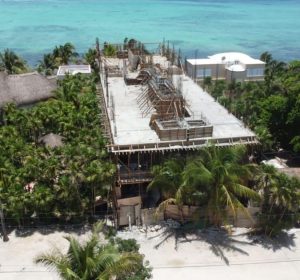
According to studies by the Sustainable Tourism Advanced Research Center at Universidad Anáhuac Cancún, the vacation ownership and timeshare ecosystem generated around 8.4 billion dollars in production value in 2024, in addition to more than 6.3 billion in foreign exchange linked to the sector.
The scale of the model is clear: in destinations such as the Riviera Maya, Puerto Vallarta, or Los Cabos, a significant share of hotel occupancy already depends on shared ownership schemes or vacation clubs.
Historically, between 70 and 80 percent of buyers within this system have been American and Canadian, which explains the progressive dollarization of tourism land in multiple regions of the country.
For many local residents, competing in a real estate market oriented toward international buyers became practically unfeasible.
Infrastructure
Tourism did not only transform the economy of different Mexican regions. It physically transformed the territory.
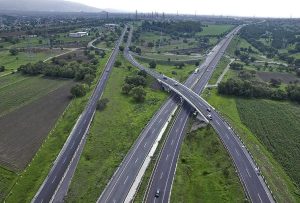
Roads, airports, marinas, hotel complexes, golf courses, beach clubs, high-rise condominiums, and residential developments began to appear in places that decades earlier still preserved relatively isolated rural or coastal dynamics.
In Quintana Roo, the growth of Cancún and the Riviera Maya drove unprecedented urban expansion. The construction of tourism infrastructure attracted private investment, workers, and new urban settlements. Over time, the region became deeply dependent on tourism activity.
Los Cabos experienced a similar process. International air connectivity enabled the growth of luxury hotel complexes aimed mainly at the U.S. market. Golf courses, private marinas, and premium residential developments began to completely redefine the landscape.
In Riviera Nayarit and Puerto Vallarta, tourism expansion also reshaped the regional economic structure. New resort complexes generated employment in construction, hospitality, transport, and services.
San Miguel de Allende experienced a different kind of transformation. Cultural, gastronomic, and residential infrastructure aimed at international tourism turned the city into one of the most exclusive real estate markets in the interior of the country.
The economic benefits were evident. Tourism generated employment, connectivity, and economic spillover. Many regions experienced accelerated growth thanks to national and international investment.
However, new pressures also emerged. Rapid urban growth increased demand for water, electricity, mobility, and public services. In several tourist destinations, problems related to waste, traffic congestion, and pressure on natural resources began to appear.
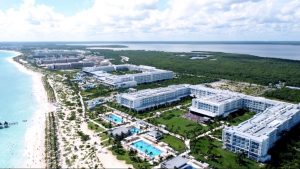
Tourism infrastructure also altered the social composition of numerous regions. In many cases, tourism workers began living increasingly far from tourist zones due to rising rents and property prices.
Tourism stopped being merely an economic activity. It became a model of territorial occupation.
Mexico discovered that tourism could generate wealth, infrastructure, and international recognition. But it also discovered something else: that territory could be reorganized around the value others were willing to pay for it.
Paradise, in many cases, stopped being a place. It became the new big business.
Discover more from EKTUNKUL
Subscribe to get the latest posts sent to your email.






Leave a Reply