

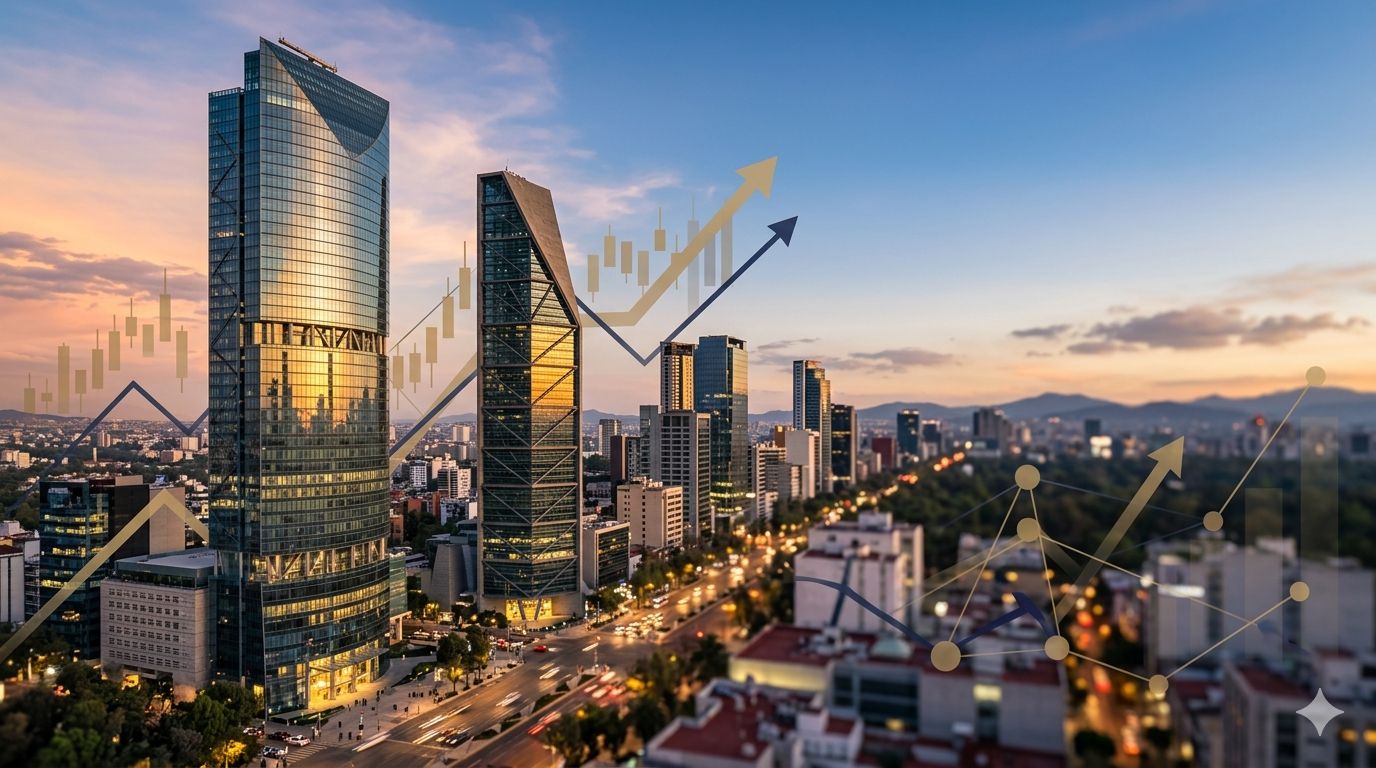
Mexico’s financial landscape turned decisively at the close of the first four months of 2026, confirming analysts’ predictions. The mergers and acquisitions market—known as M&A (acronym for «mergers and acquisitions» in English)—is entering a phase of maturity and dynamism unseen in the region in nearly a decade, according to the latest sector report from Seale & Associates. This consultancy firm, a leader in financial analysis across Latin America with over 20 years of track record, is crucial because their reports provide empirical data on real transactions, valuation multiples, and sector trends, guiding institutional investors and companies in multi-billion decisions.

This reactivation stems from aligned macroeconomic factors: stable interest rates providing certainty for companies to clean balance sheets and execute ambitious expansions. Capital costs dropped, reviving leveraged deals, while the Mexican peso maintains controlled volatility against the dollar, facilitating cross-border transactions and attracting foreign capital with low currency risk.
The consumer and retail sector leads M&A activity, with large corporations absorbing local competitors to gain scale and established distribution networks. Nearshoring accelerates this, generating demand for logistics and support services that drive consolidation. Mexico emerges as a resilient hub amid global geopolitical tensions, with foreign capital seeking refuge in tangible operational assets. This industrial relocation has created an urgent need for services only achievable through company consolidation in the sector. International capital sees Mexican firms as a unique opportunity to integrate regional supply chains more resilient to global geopolitical tensions persisting elsewhere.
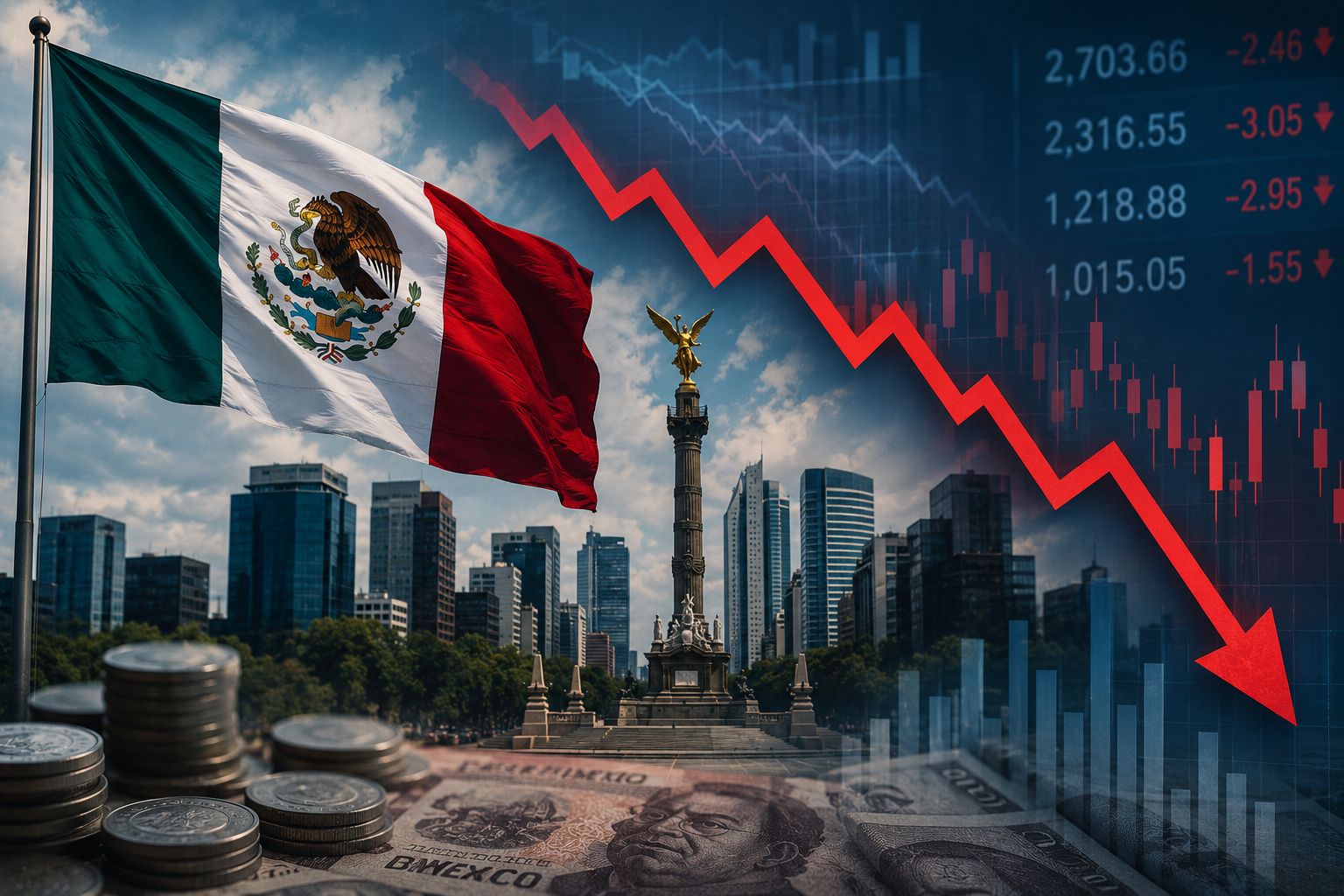
On the stock market, Mexico’s IPC Index (Índice de Precios y Cotizaciones) shows notable resilience, reflecting optimism at major financial centers. Valuation multiples—measured through enterprise value vs. operating cash flow—remain at levels experts call «healthy.» This means high demand for quality assets without speculative bubbles, but rather a rational adjustment based on solid business fundamentals. Forced digitalization from prior years now yields profitability and operational efficiency fruits, becoming an additional buyer attraction. Companies successfully integrating e-commerce with physical operations receive significant sales premiums. This technological component acts as a critical differentiator, where consumer data analysis capability equals or exceeds physical inventory value.
Private equity funds play an extremely interesting dual role in this 2026 cycle, acting as both sellers of mature assets and buyers of new promises. This capital rotation ensures constant market liquidity, allowing companies that completed initial investment cycles to pass to strategic operators with greater scale capacity. It’s a self-reinforcing financial ecosystem where successful investment exits immediately finance the next market opportunity.

The national currency plays an indispensable anchoring role, maintaining controlled volatility vs. the US dollar, massively facilitating cross-border transactions. Foreign investors feel more comfortable committing long-term resources when exchange rate risk ceases to be the dominant equation variable. This Mexican peso strength reflects an international perception of institutional stability and fiscal discipline permeating all economic activity strata.
However, Seale’s report warns this bonanza period demands much more rigorous and technical due diligence than the past, given fierce competition for best assets. A good idea or recognized brand no longer suffices; buyers now demand impeccable corporate governance structures and cash flow projections resisting stress scenarios. Mexican business management professionalization has accelerated to meet global capital flowing to our borders.
Heading toward immediate future, perspectives for late 2026 are mostly optimistic, provided current political and economic stability conditions maintain. Mexico stands in an enviable position to consolidate as the nerve center of corporate finance in Latin America, attracting not only return capital but fresh investment from new horizons. The key for local companies lies in adaptation capacity and willingness to open capital to partners offering more than simple financing.
Descubre más desde EKTUNKUL
Suscríbete y recibe las últimas entradas en tu correo electrónico.








Deja una respuesta